
Harm Reduction for Adult Eating Disorders: A Modern, Compassionate Approach
Updated: Aug 1
A Harm Reduction Approach for Adult Eating Disorders, Including Midlife Women & Individuals on GLP-1s

We approach harm reduction for eating disorders as a nuanced and person-centered model that expands much-needed access to recovery. Eating disorders are serious, complex mental health conditions that affect individuals across the lifespan. Yet many adults, especially midlife women and individuals in higher-weight bodies, are underdiagnosed or misunderstood.
At SpringSource: Eating, Weight & Mood Disorders, we specialize in evidence-based, weight-inclusive eating disorder treatment in Chicago, Northbrook, and virtual therapy across Illinois. Where appropriate, we employ a harm reduction approach when treating eating disorders, along with any co-occurring mood disorders. This inclusive approach expands access to many more individuals experiencing these issues.
This article explores:
What harm reduction means in eating disorder treatment
How it differs from abstinence-based approaches
Why it is especially helpful for midlife women
How it integrates with GLP-1 mental health support
When a hybrid approach may be most effective
What Is Harm Reduction in Eating Disorder Treatment?
Harm reduction in eating disorders is a treatment approach that focuses on reducing the medical and psychological risks of disordered eating behaviors without requiring immediate, total abstinence.
Rather than demanding complete elimination of behaviors such as binge eating, restriction, purging, or compulsive exercise, harm reduction aims to:
Decrease frequency or intensity of behaviors
Improve medical stability
Increase nutritional consistency
Strengthen coping skills
Reduce shame and self-criticism
This model recognizes that recovery is not always linear and that for many adults, especially those with longstanding patterns, abrupt abstinence can feel destabilizing.
Harm reduction expands the tent of recovery.
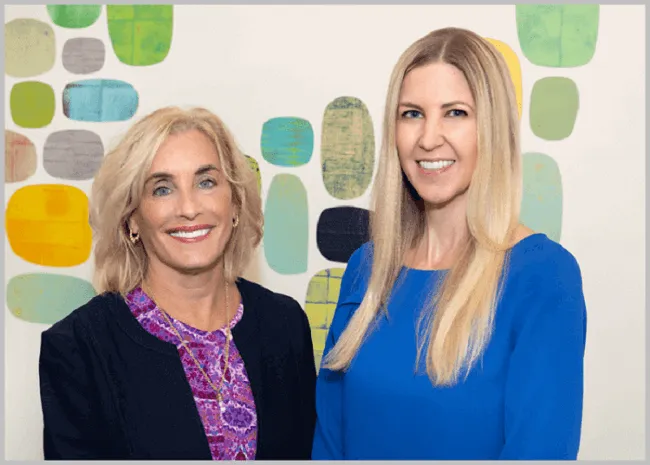
Dr. Angela Derrick notes, “While we believe that full recovery from an eating disorder is possible for everyone, we also acknowledge the necessity of working creatively and patiently with individuals who have unique life circumstances, past experiences, and current pressures. Sometimes this can mean taking a harm reduction approach throughout the process of therapy, always keeping in mind the benefits of working towards full recovery for each individual.”
Abstinence-Based Eating Disorder Treatment
An abstinence model focuses on eliminating eating disorder behaviors entirely. It often includes:
Structured meal plans
Clear behavioral rules
Frequent accountability
Defined recovery benchmarks
For some individuals, especially in higher levels of care such as Intensive Outpatient Programs (IOP), abstinence provides clarity and structure.
However, abstinence can become complicated when relapse occurs. The black-and-white thinking common in eating disorders may intensify, leading to shame, self-blame, and treatment dropout.
This is where harm reduction can offer flexibility.
Harm Reduction and Eating Disorders in Midlife Women
Eating disorders are not limited to adolescence. Research increasingly shows rising rates of disordered eating among women in midlife.
Hormonal changes during perimenopause and menopause can affect:
Appetite regulation
Sleep
Mood stability
Weight distribution
Body image
Many women in their 40s, 50s, and 60s experience a resurgence or new onset of eating disorder symptoms during this time.
Common presentations include:
Binge eating in response to caregiving stress
Increased restriction behaviors
Compulsive exercise
Heightened body dissatisfaction
Depression intertwined with food behaviors
For midlife women, harm reduction is often especially effective because it:
Reduces perfectionistic pressure
Allows gradual change
Supports mood stabilization
Acknowledges real-life responsibilities
Recovery at 50 looks different than recovery at 18. It is still possible and necessary at any age.
At SpringSource, we provide specialized eating disorder treatment for adults and midlife women, including those navigating menopause, career stress, and shifting self images.
Harm Reduction and GLP-1 Mental Health Support
GLP-1 medications are increasingly used for metabolic health and weight management. However, these medications intersect with eating disorders in complex ways.
At SpringSource, we provide GLP-1 mental health support for individuals who are:
Considering GLP-1 medications
Currently taking GLP-1 medications
Discontinuing GLP-1 medications
Harm reduction plays a critical role in this work.
For example:
Appetite suppression may reduce binge frequency but not address emotional triggers.
Restrictive tendencies may intensify
Weight changes may increase body preoccupation.
Mood symptoms may shift in response to medication.
Rather than taking a rigid stance, we assess:
Behavioral flexibility
Emotional regulation
Cognitive patterns
Relationship to food
Body image stability
Our approach is weight-inclusive and psychologically informed. The goal is resilient sustainable mental health.
Benefits of Harm Reduction in Eating Disorder Therapy
1. Improved Engagement
Patients who feel respected and not judged are more likely to remain in treatment.
2. Increased Safety
Even small reductions in purging or extreme restriction can significantly improve medical stability.
3. Reduced Shame
Moving away from all-or-nothing thinking decreases self-criticism.
4. Sustainable Change
Gradual progress often leads to long-term stability.
5. Integration With Mood Treatment
Eating disorders frequently co-occur with depression and anxiety. Harm reduction allows both to be treated simultaneously.
Common Concerns About Harm Reduction
“Does Harm Reduction Enable the Eating Disorder?”
No.
Harm reduction does not normalize harmful behaviors. It prioritizes autonomy, safety, and dignity. People deserve care even if they are not ready for complete abstinence.
“Is Recovery Slower?”
Sometimes progress is gradual. However, forcing strict compliance can lead to treatment dropout. Sustainable recovery often requires flexibility.
“How Is Success Measured?”
We assess:
Medical markers
Behavioral frequency
Emotional regulation
Cognitive flexibility
Relationship functioning
Quality of life
Recovery is multidimensional.
The Challenges of Abstinence-Only Models
While abstinence provides structure, it can:
Reinforce black-and-white thinking
Intensify relapse shame and feelings of failure
Exclude individuals who feel ambivalent
Replicate perfectionistic dynamics
For high-achieving adults and midlife women, abstinence can inadvertently mirror the same internal pressure that fuels the disorder.
A Hybrid Model: Combining Structure and Flexibility
At SpringSource: Eating, Weight & Mood Disorders, we often integrate both harm reduction and abstinence principles.
A treatment plan may:
Begin with harm reduction to establish stability
Introduce structured goals as readiness increases
Shift dynamically depending on life stressors
Incorporate IOP support when needed
Our hybrid Intensive Outpatient Program for Adults offers structured support while honoring adult responsibilities.
This integrated approach is particularly effective for:
Binge eating disorder
Anorexia in adults
Higher-weight eating disorders
Emotional and compulsive overeating
Co-occurring mood disorders
Weight-Inclusive Eating Disorder Treatment
Historically, individuals in higher-weight bodies have been underdiagnosed or dismissed. Weight stigma can prevent appropriate care.
At SpringSource, our approach is weight-inclusive and evidence-based. We focus on:
Behavioral health
Emotional well-being
Nutritional consistency
Reduced medical risk
Psychological flexibility
Weight alone does not define health.
Harm reduction allows individuals in higher-weight bodies to receive care without the added external pressure of rigid, weight-centric goals.
The Role of Mood in Eating Disorder Recovery
Eating disorders rarely exist in isolation. Depression, anxiety, trauma, and relational stress are often intertwined.
Harm reduction supports:
Mood stabilization
Sleep improvement
Stress regulation
Trauma processing
Reduced emotional eating
As specialists in eating, weight & mood disorders, we address these systems together rather than in isolation.
Eating Disorder Treatment in Chicago, Northbrook, and throughout Illinois
SpringSource is a clinician-owned practice providing eating disorder therapy in:
Downtown Chicago
Northbrook
Across Illinois via telehealth
We offer:
Individual therapy
Hybrid Intensive Outpatient Program
GLP-1 mental health support
Specialized care for midlife women
Higher-weight eating disorder treatment
Anxiety and depression treatment
We believe recovery is possible at any age.
Final Thoughts: There Is More Than One Path to Recovery
Harm reduction for eating disorders is not about lowering standards. It is about widening access to care.
Abstinence may be appropriate at certain stages. Harm reduction may be essential at others. A thoughtful hybrid approach often provides the most sustainable outcomes.
At SpringSource: Eating, Weight & Mood Disorders, our commitment is to:
Evidence-based treatment
Weight-inclusive care
Specialized GLP-1 mental health support
Compassionate treatment for midlife women
Integrated mood and eating disorder therapy
Recovery does not require perfection. It requires partnership.
About SpringSource: Eating, Weight & Mood Disorders
SpringSource is a specialized mental health practice focused on eating disorders, weight-related concerns, and mood disorders across the lifespan.
With offices in Chicago and Northbrook and virtual care across Illinois, we provide individualized, compassionate, evidence-based treatment.
We offer free 15-minute consultations.
Call 224-202-6260 to learn more about eating disorder treatment in Chicago or GLP-1 mental health support.
Recovery is always within reach.


Comments